
Services
Supply, inspect, test, repair, certify.
Six service lines, one NATA-accredited team. On site with our mobile testing units, or in-house at three branches across South East Queensland.
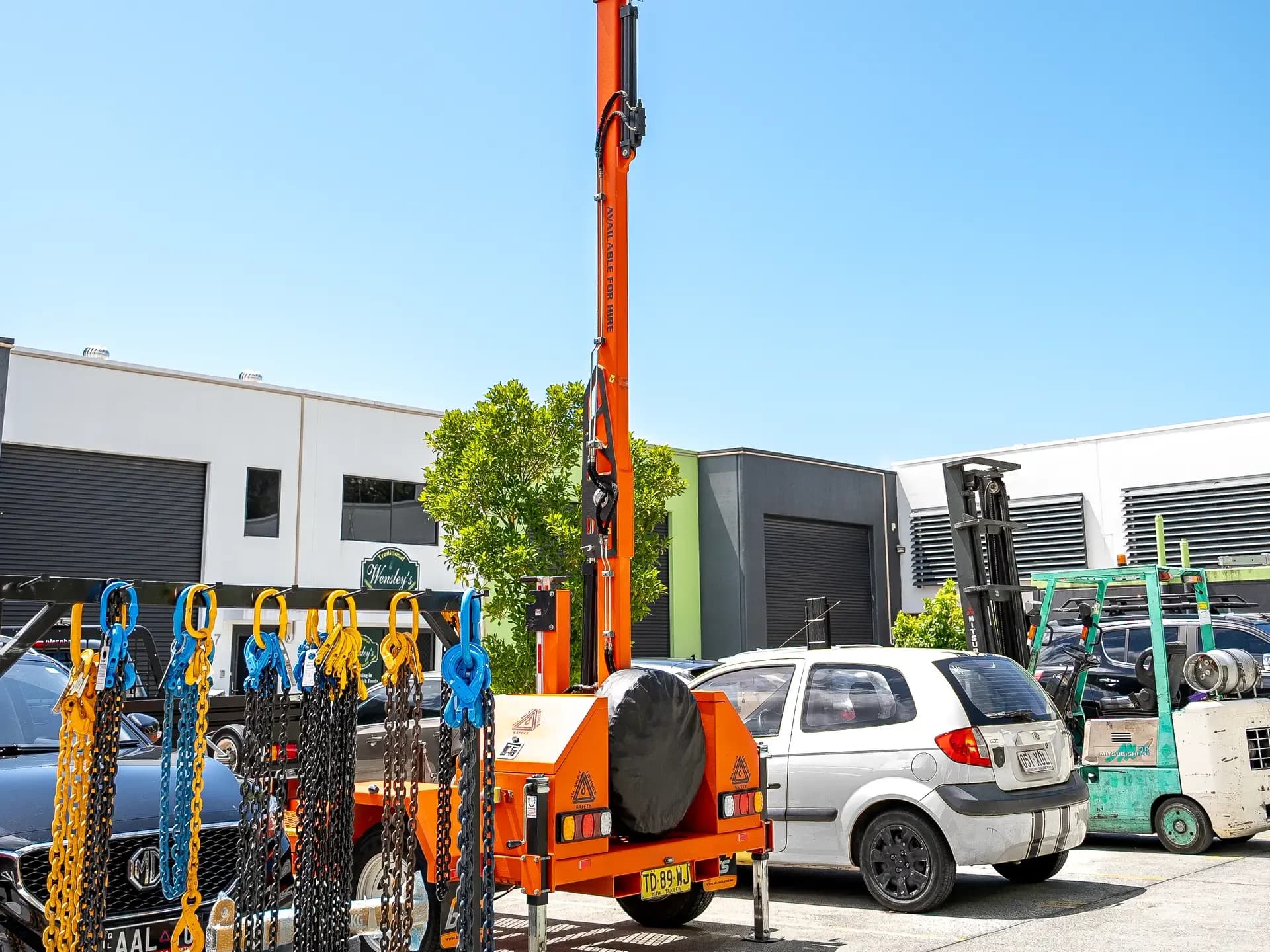
On site and in the workshop
See how we service your gear.
Mobile test rigs, an IKAR-accredited onsite service centre and a workshop team that inspects, repairs and certifies.
What we do
Everything your lifting gear needs, under one roof
From a single sling to a whole site’s register — inspected, repaired, fabricated and certified by the same accredited team.
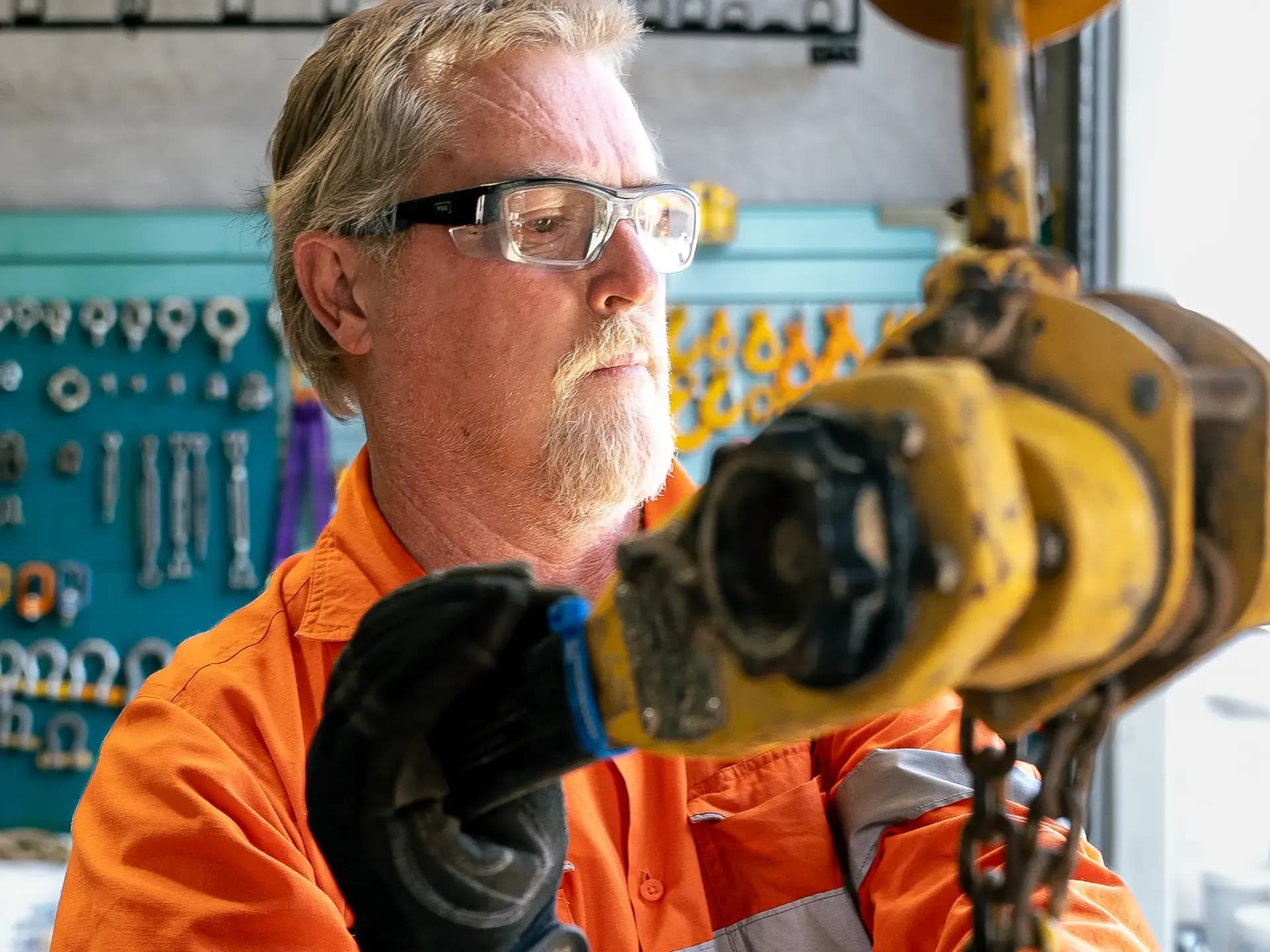
On-site inspection & testing
Periodic inspection and load testing of lifting and height-safety gear at your site, with certification and tagging on the spot.
- Accredited mobile testing facility
- Inspected, tested, certified and tagged on site
- Damaged gear repaired and proof-tested immediately
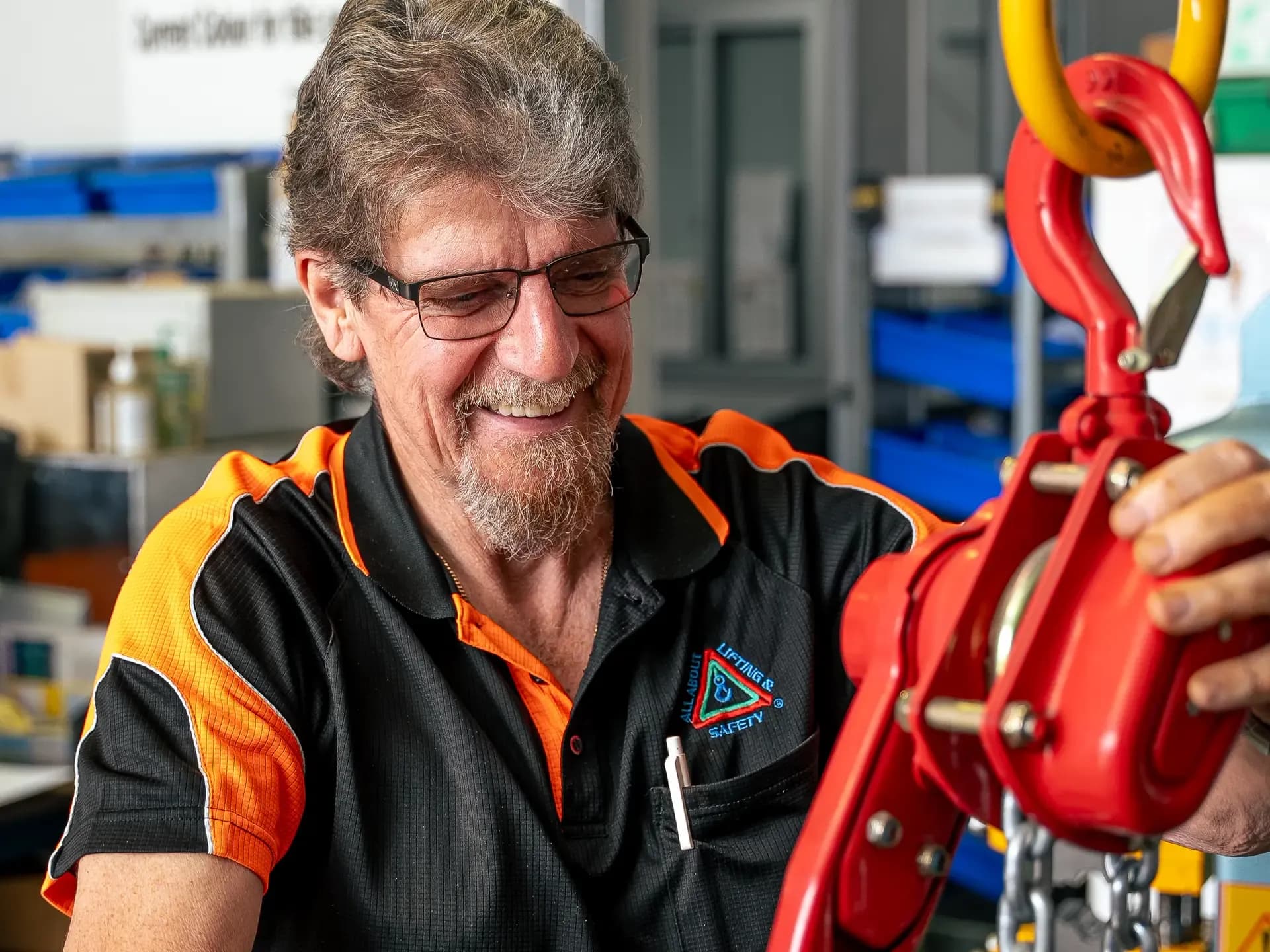
Lifting equipment repairs
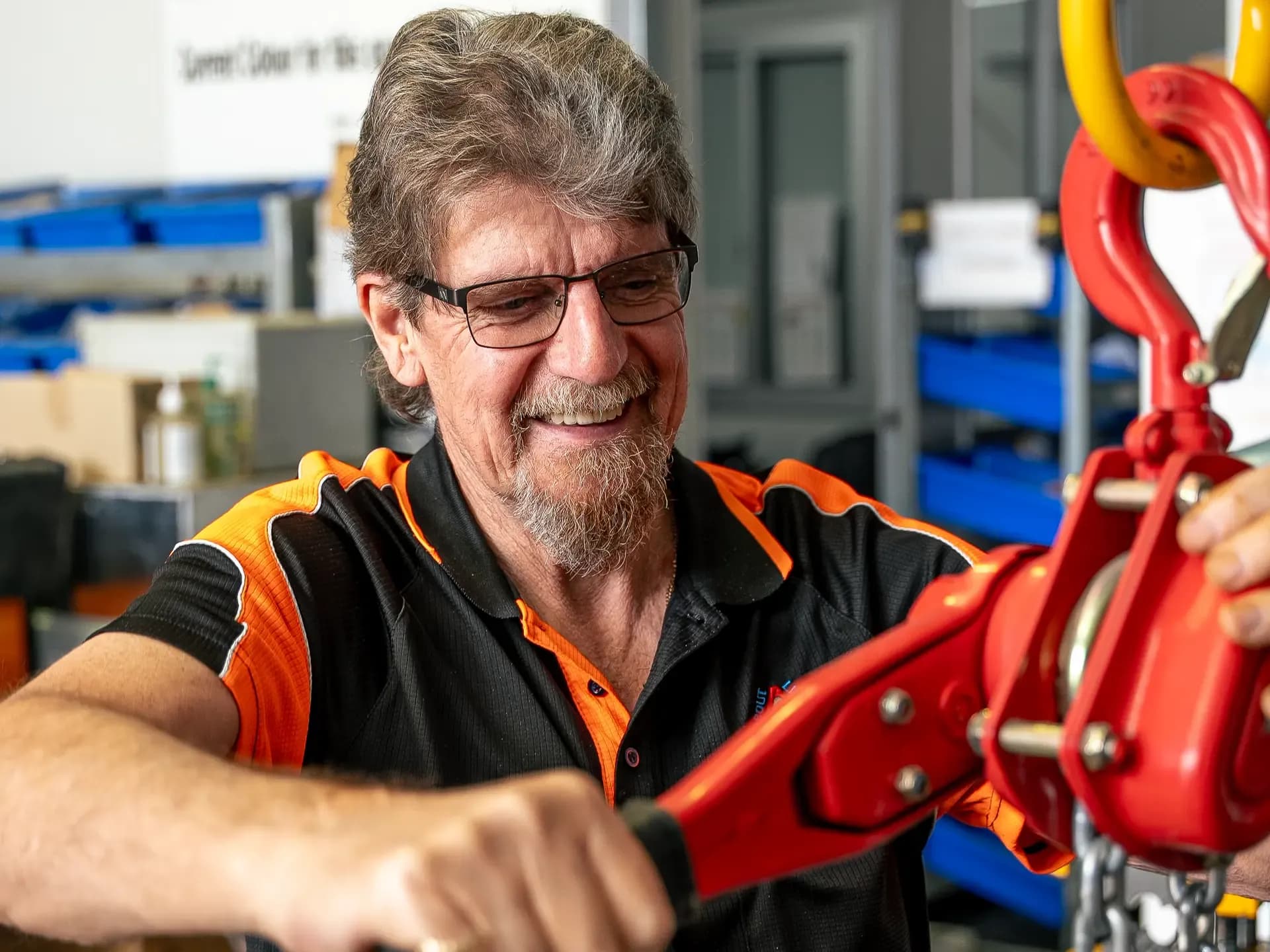
Chain blocks, hoists, winches, slings and rigging repaired, re-tested and returned to service — fast.
- Mobile repair, testing and maintenance
- In-house repairs at three branches
- Accredited certification
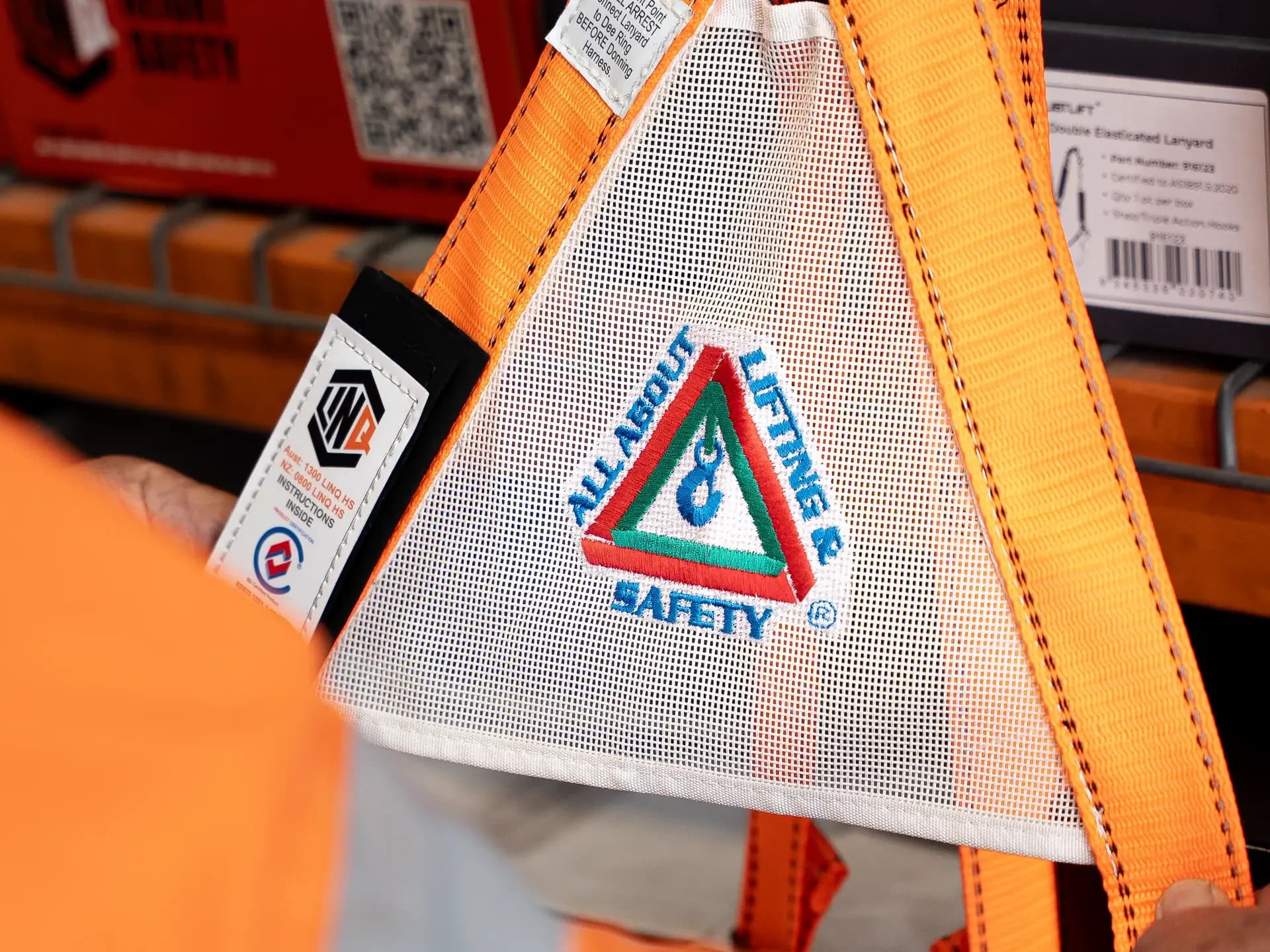
Height safety solutions
Anchor points, static lines and fall-arrest systems designed, installed and certified for your site.
- Anchor points, static lines and fall-arrest systems
- Design, installation and certification
- Quality equipment from leading brands
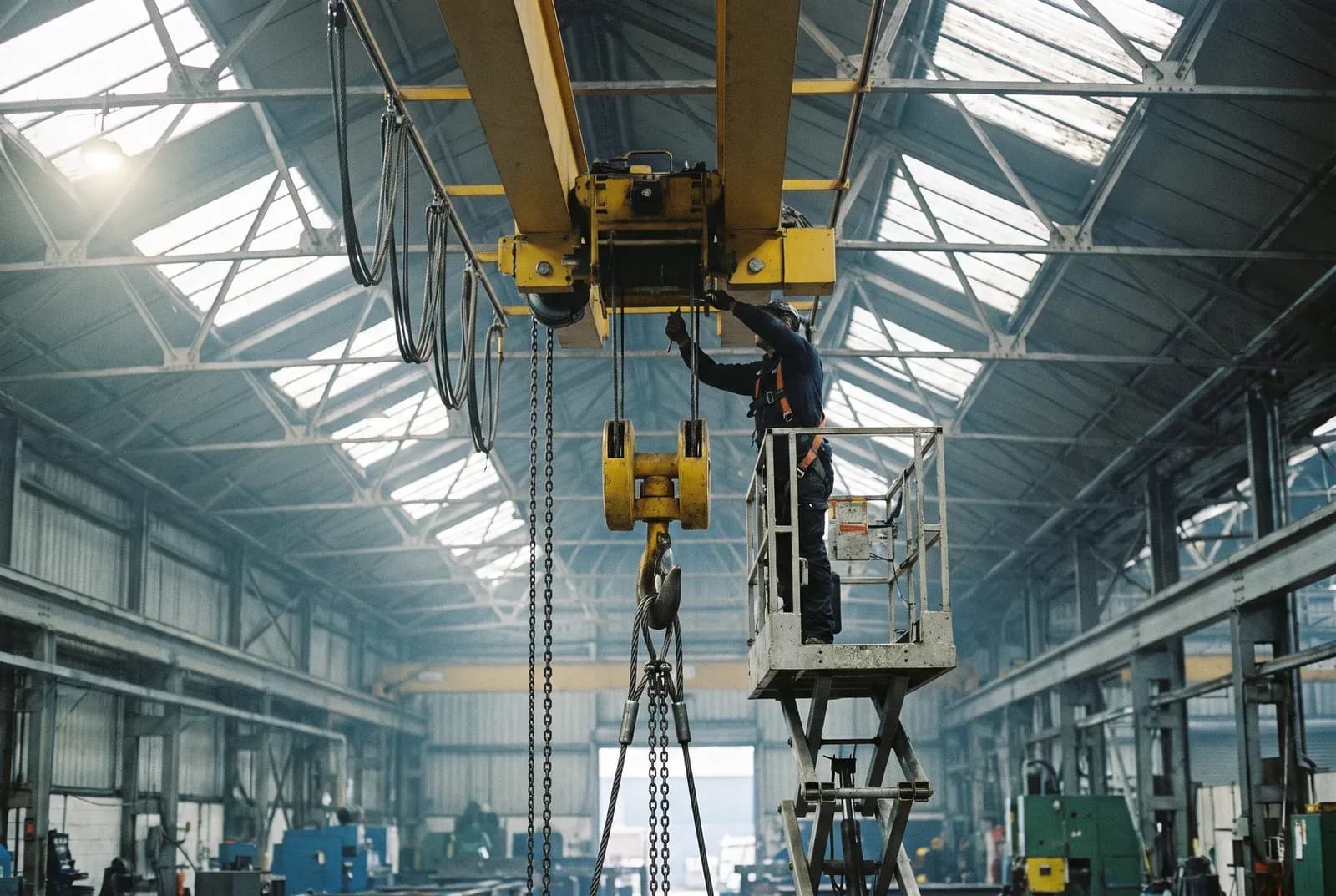
Gantry & overhead crane service
Scheduled servicing, inspections and repairs for gantry, jib and overhead cranes to keep you compliant.
- Scheduled servicing and inspections
- Overhead, gantry and jib crane repairs
- Emergency service 24 hours, 7 days
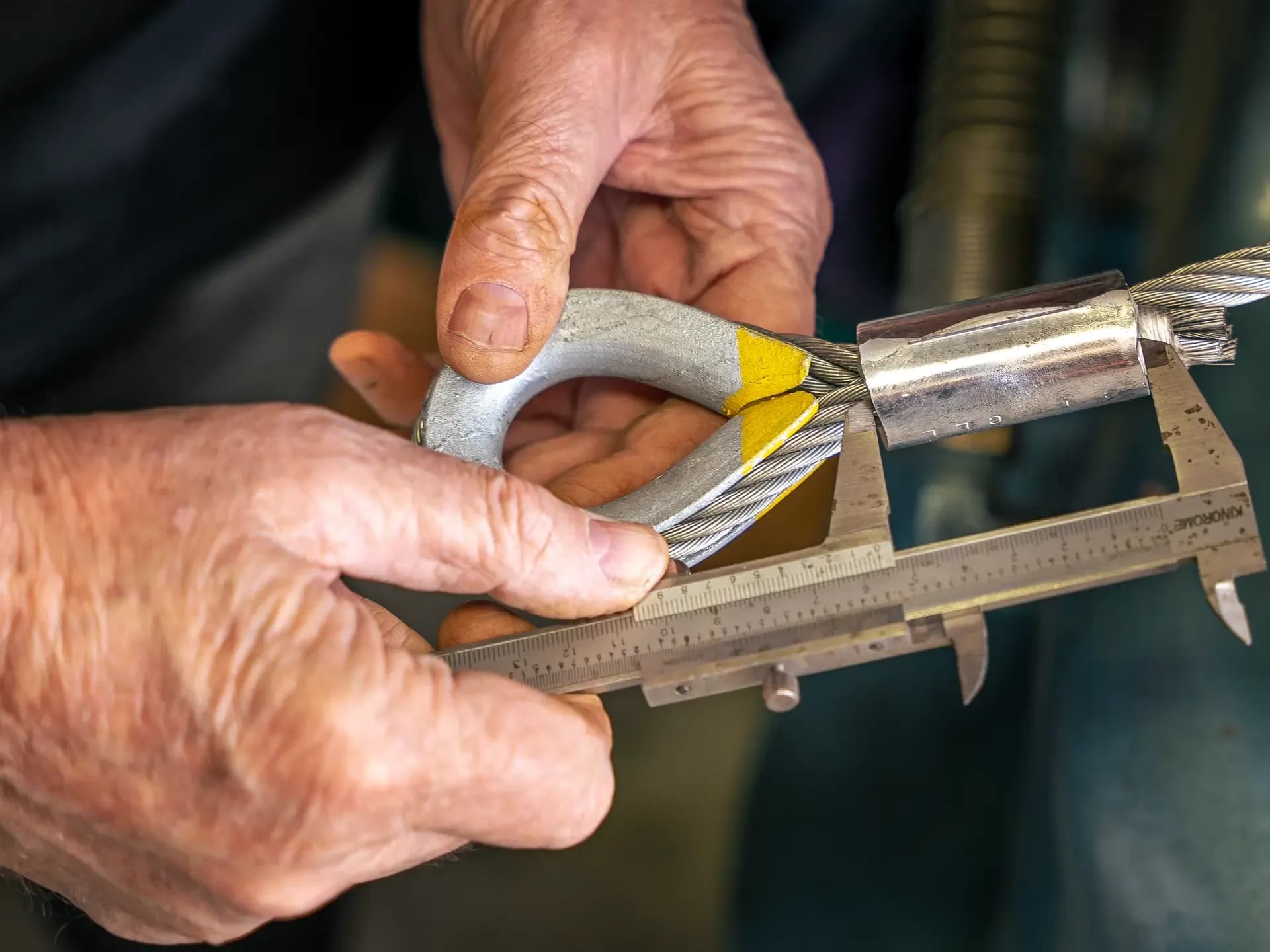
Engineering & fabrication
Custom lifting beams, frames and attachments engineered, fabricated and proof-tested in-house.
- Steel and alloy fabrication
- Engineered to Australian Standards
- QA/QC on every unit
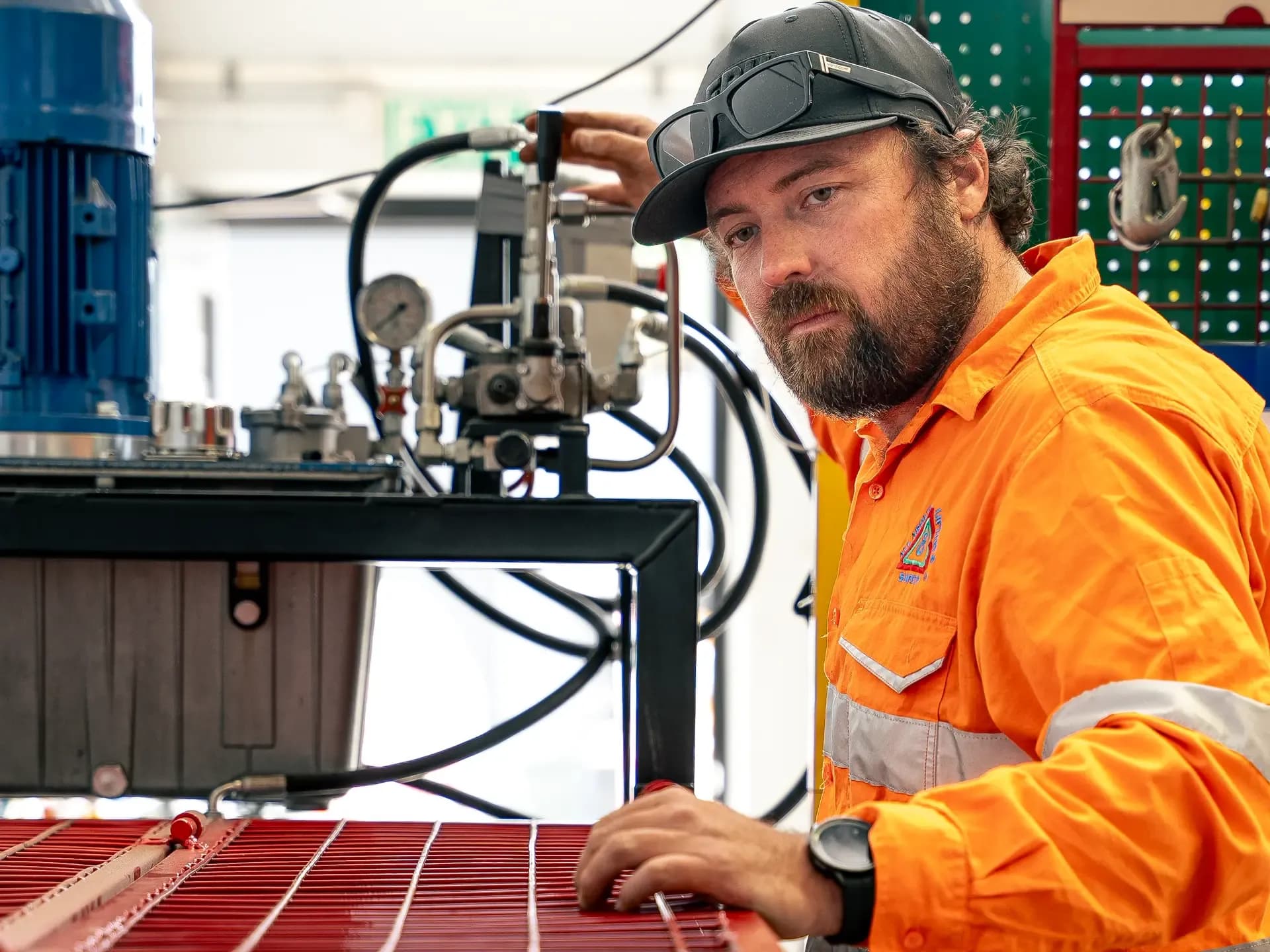
Jack inspection & testing
Hydraulic and mechanical jacks inspected, load tested and certified to Australian Standards.
- Bottle, trolley, hydraulic and pneumatic jacks
- Load tested to Australian Standards
- Inspection tags and certificates
Why us
Accredited, mobile, and close by
NATA accredited
ISO/IEC 17025 for mechanical testing
Mobile testing units
Inspected, tested and tagged at your site
80 years combined
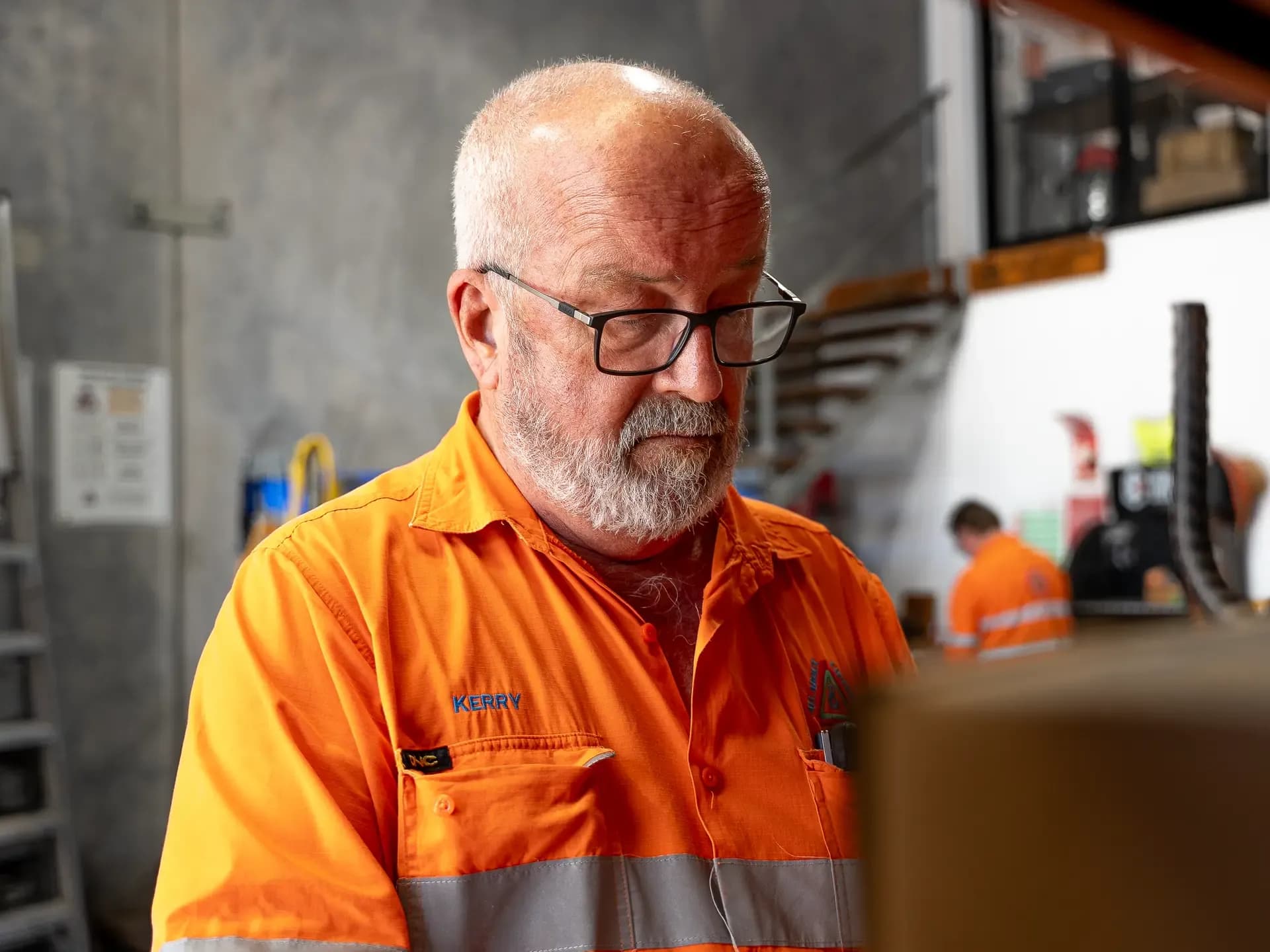
Riggers and inspectors, not sales reps
QLD & NSW coverage
Three branches, on-site across the east coast
How it works
From booking to certified gear.
 01
01Tell us what you have
Book online or call a branch with the equipment list, where it is, and when you need it done.
 02
02We inspect and test
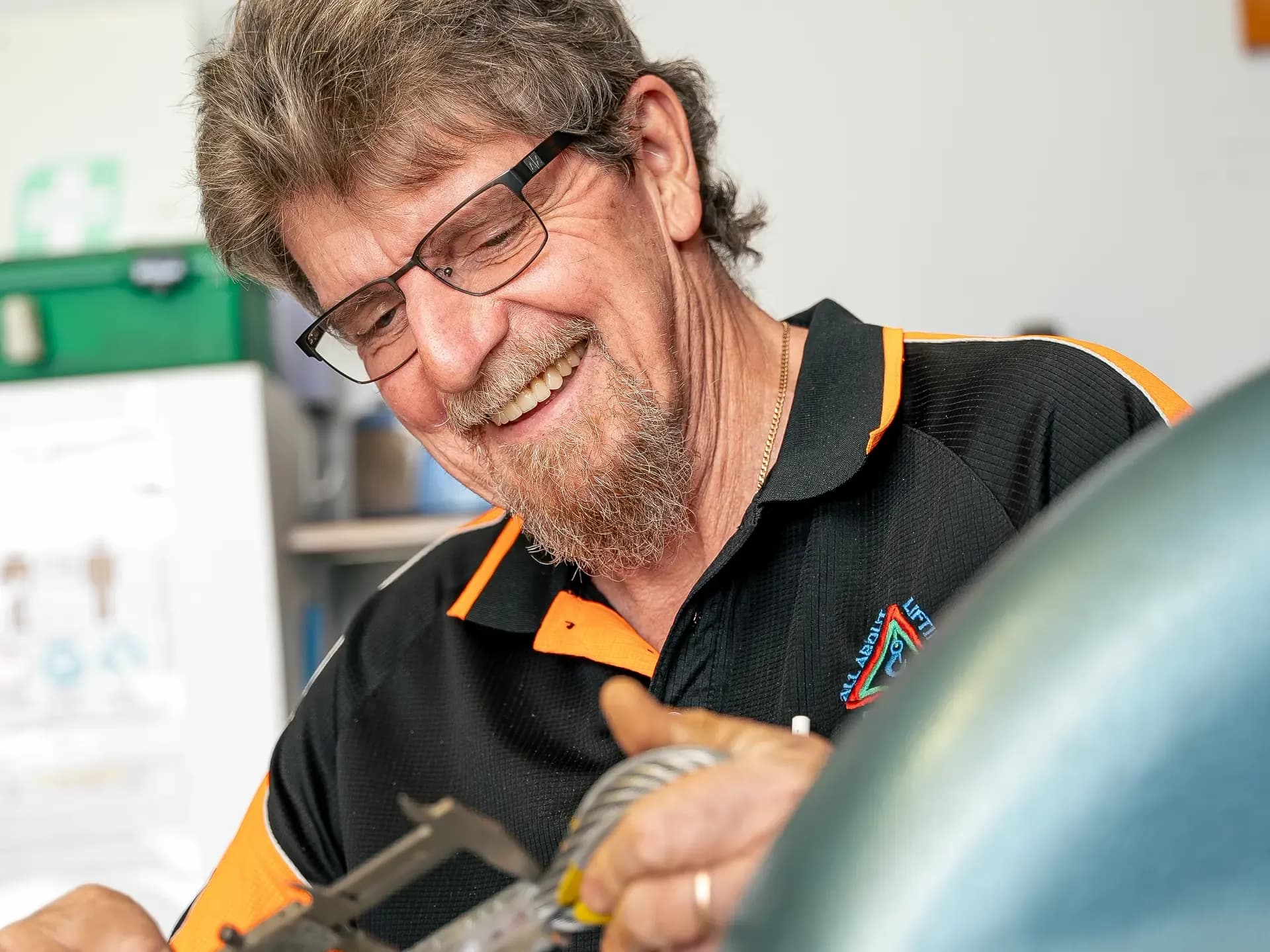
On site with a mobile unit or in-house at a branch. Damaged gear is repaired and proof-tested straight away.
 03
03Certified, tagged, documented
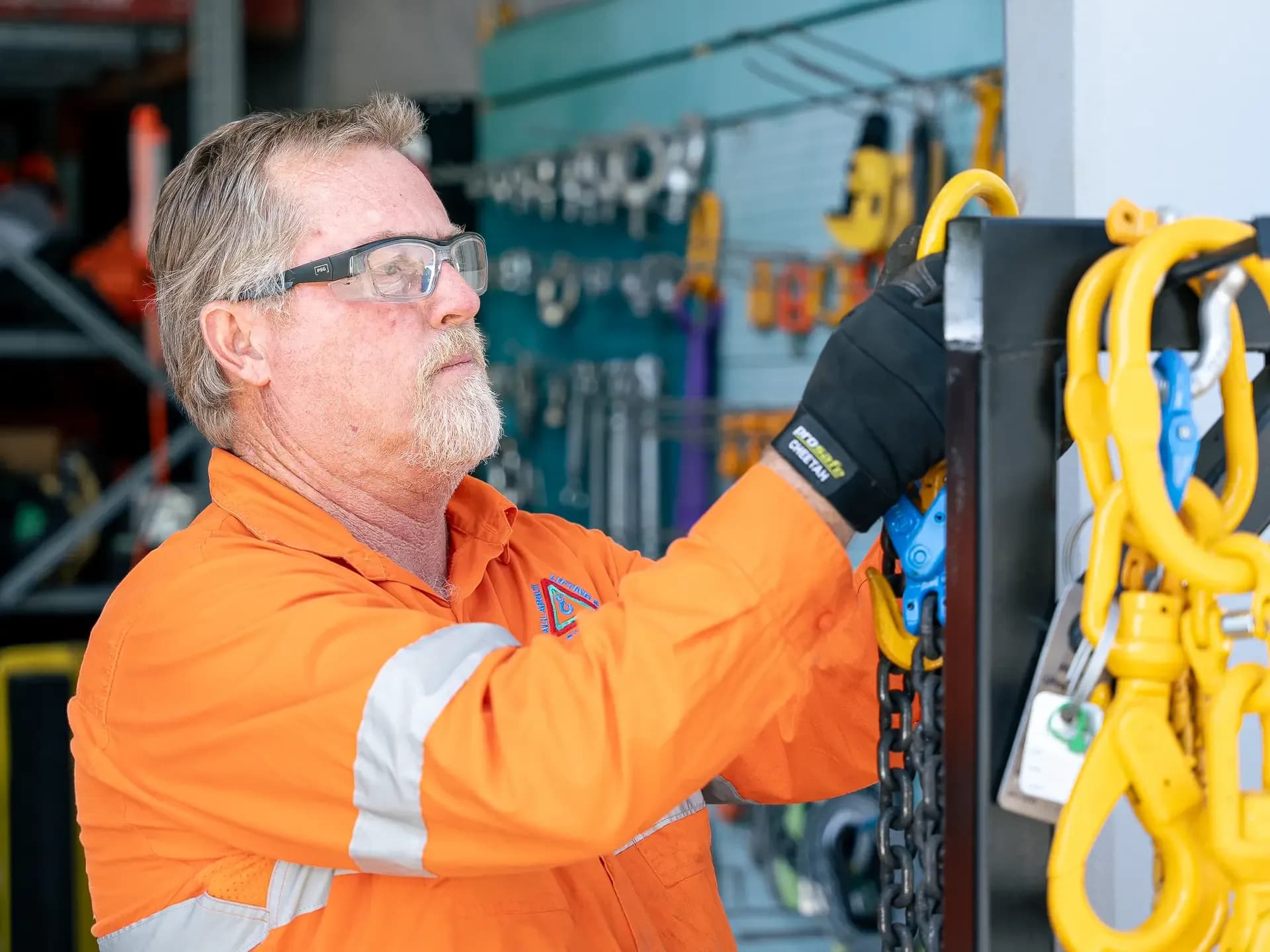
Every item leaves tagged, with certificates and an equipment register you can hand to an auditor.
Australian Standards
Australian Standard lifting equipment inspection
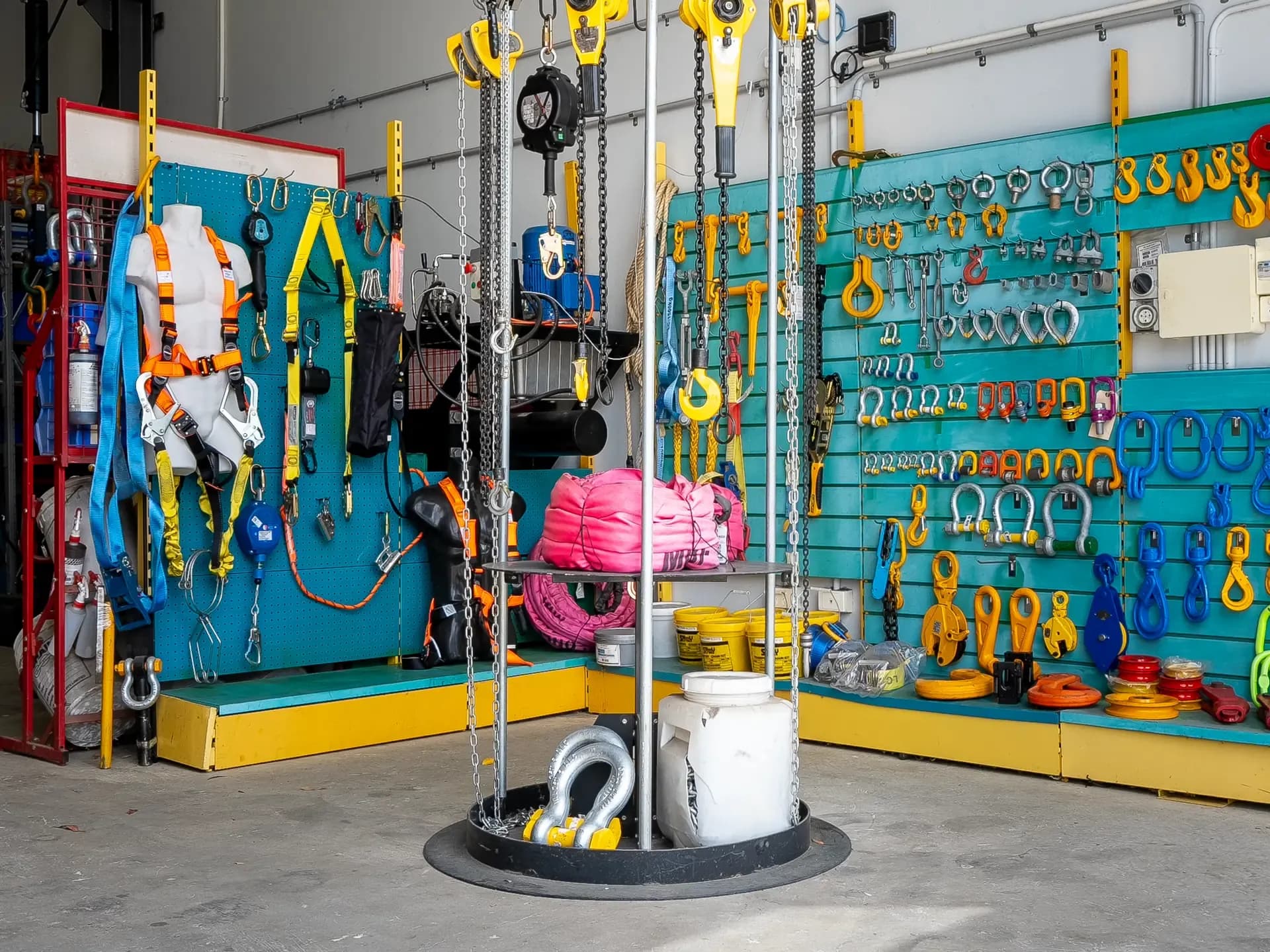
Are you looking for an experienced and qualified provider to carry out an Australian standard lifting equipment inspection? Do you need high quality lifting and safety equipment? Then look no further than All About Lifting & Safety. We have a combined 80 years of industry experience and are certified to perform your Australian standard lifting equipment inspection.
As part of your Australian standard lifting equipment inspection you will need a company whose personnel have undergone training, education and have extensive field experience. They need the appropriate knowledge and skills to ensure the safety of your team and workplace.
Safety isn’t something to be taken lightly, and All About Lifting & Safety knows and appreciates this. We are not only highly experienced in safety inspections, but supply quality safety and lifting equipment we know meets the highest Australian standards.
Who inspects your gear
Thorough, with the least inconvenience
Here at All About Lifting & Safety, we provide you with a certified Australian standard lifting equipment inspection for your equipment. Our personnel have undergone the education, training and experience required to ensure the inspection is done thoroughly but with the least inconvenience.
Our technicians have been exposed to the different aspects of inspecting lifting equipment, in a wide range of conditions and situations, so won’t unnecessarily hold up your operations. We will ensure you can get on with your job, quickly and safely.
Trained to the standard
Inspectors who know the standards, testing and features each item must meet
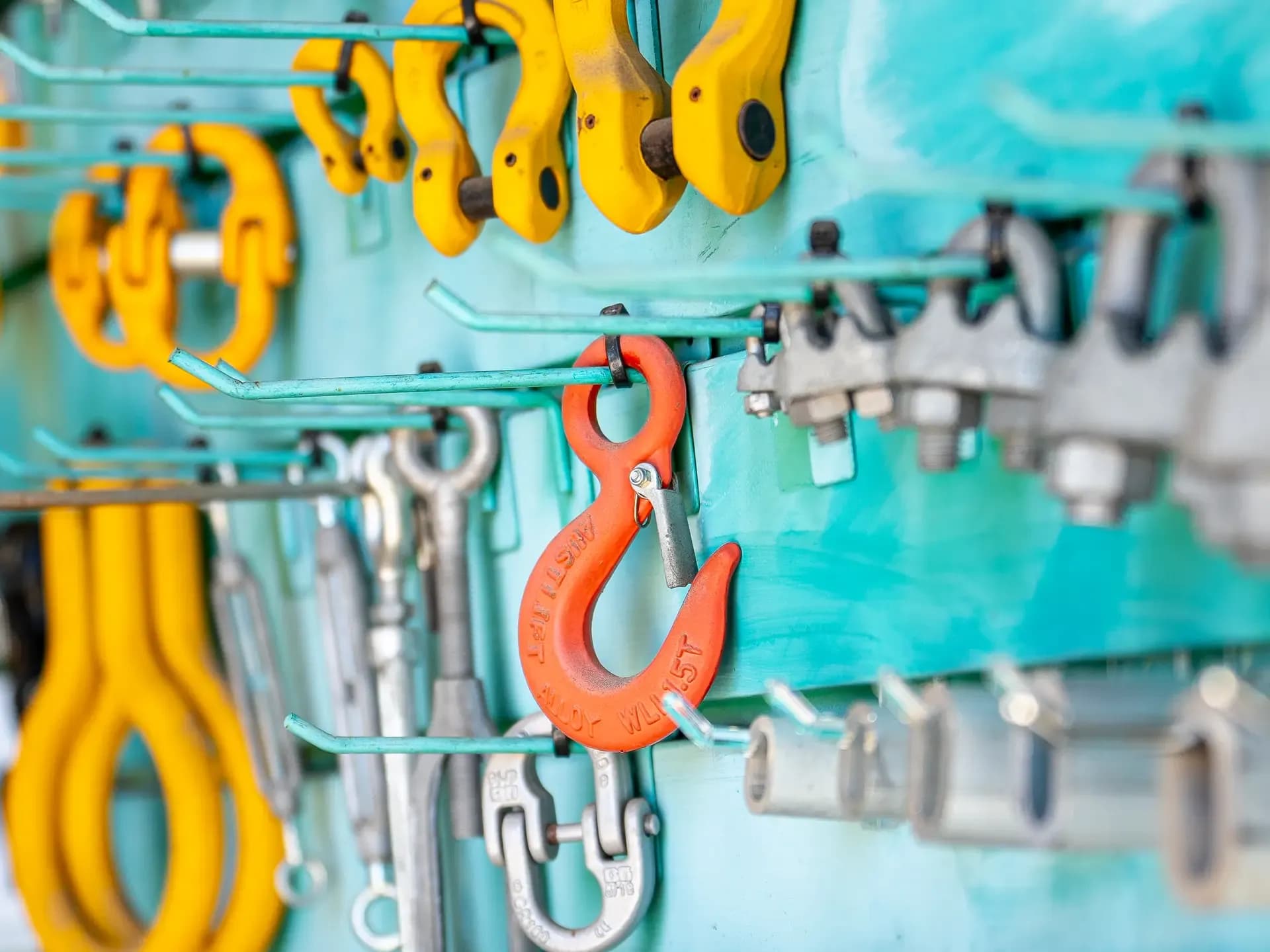
Our employees at All About Lifting & Safety are suitably trained according to the requirements of law. They have the knowledge and practical experience that are required to carry out an Australian standard lifting equipment inspection. Through this, we can identify the standards, testing, inspection and features that each type of equipment should meet.
We are ready to answer any of your questions and assist with providing high quality lifting and safety equipment. You and your team’s safety is in good hands with All About Lifting & Safety.
Talk to a specialist
Need it inspected, repaired or replaced?
Book a technician or send us the list — we’ll price it within one business day.