Book
Inspection

Inspection
Gateway

Learning
Hub

Contact
Us

About Us

Safety Specialists

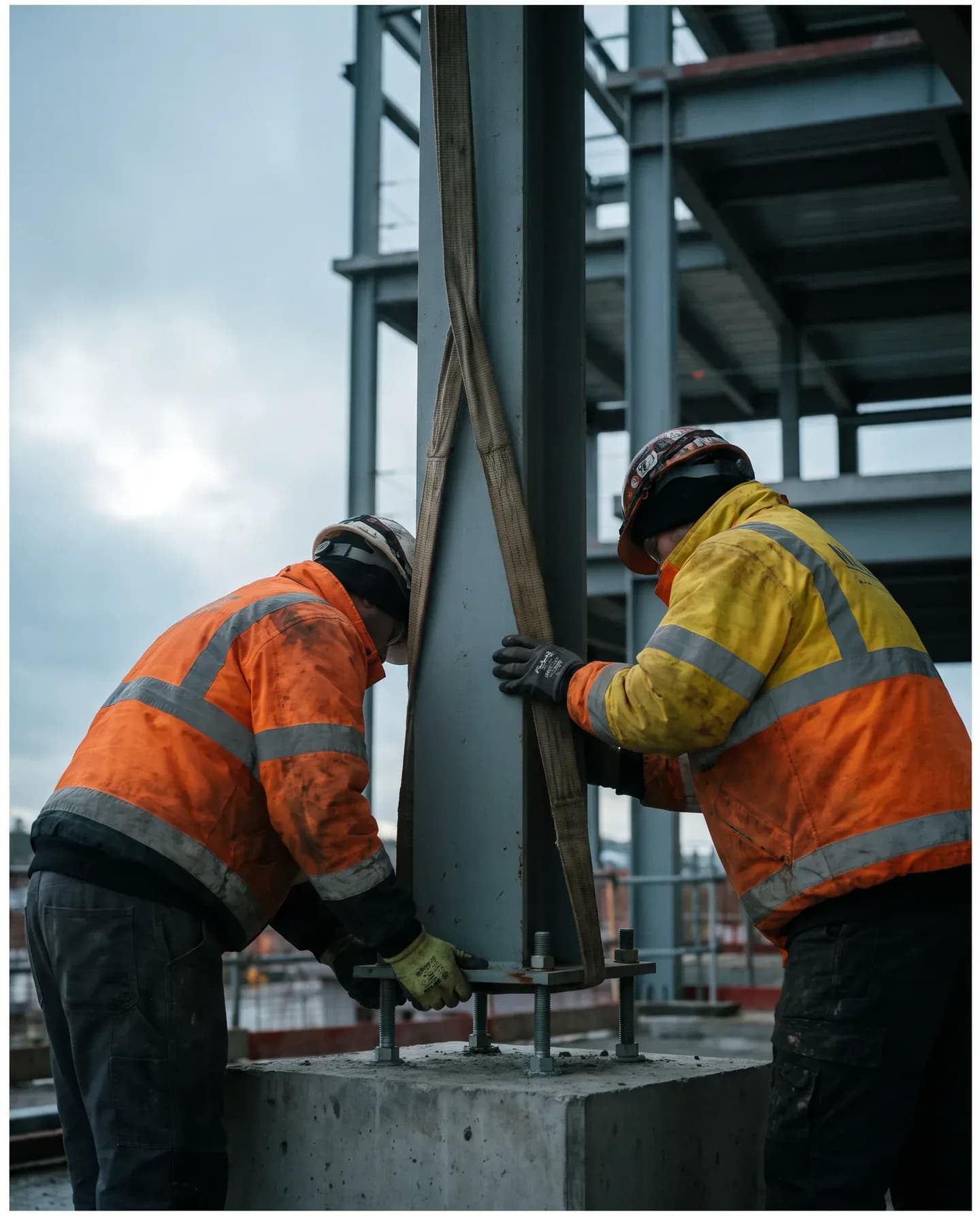
You don’t want to take unnecessary risks when it comes to lifting, confined space & height safety equipment, which is why you need to consult subject matter experts. With a team of highly trained, competent and professional experts, no job is too big.
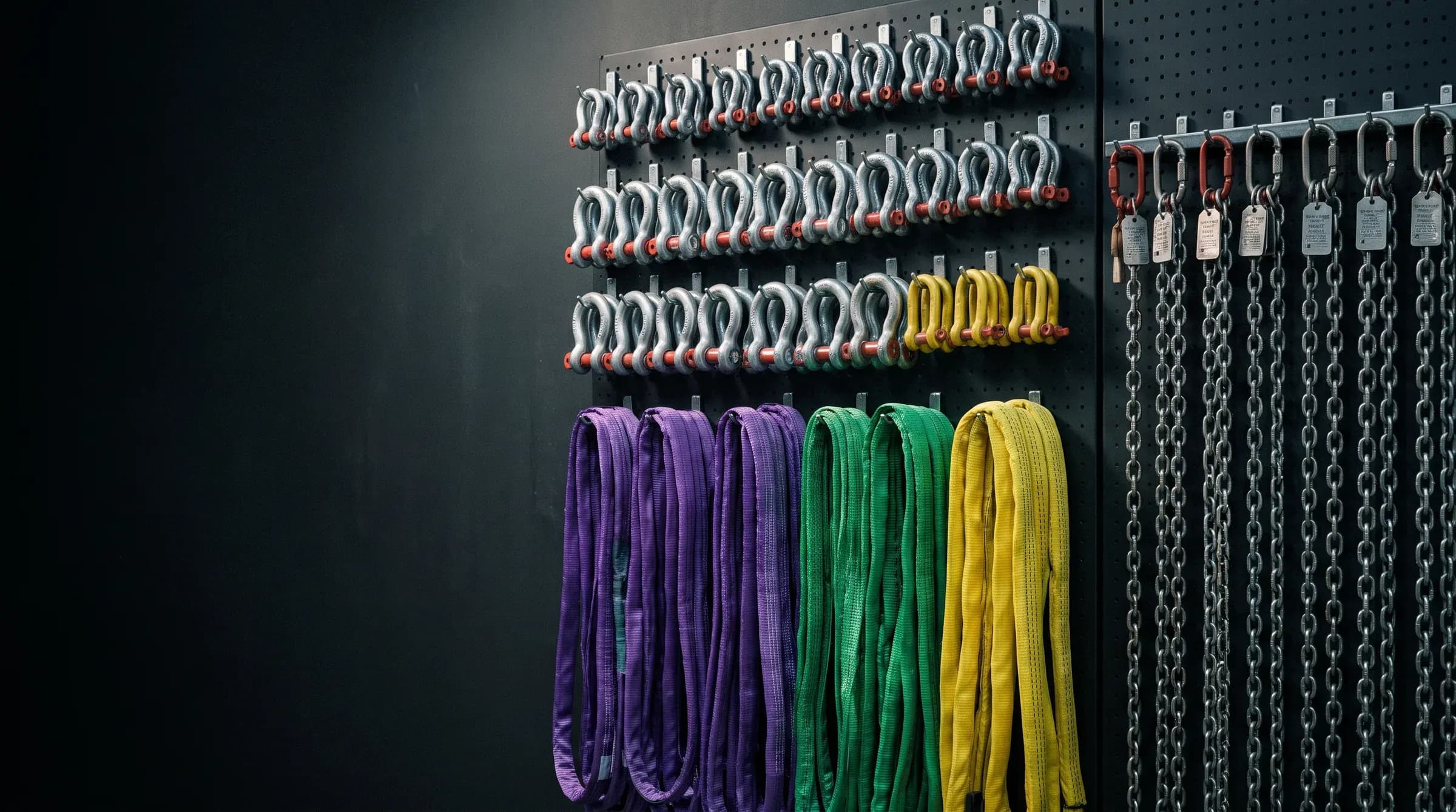
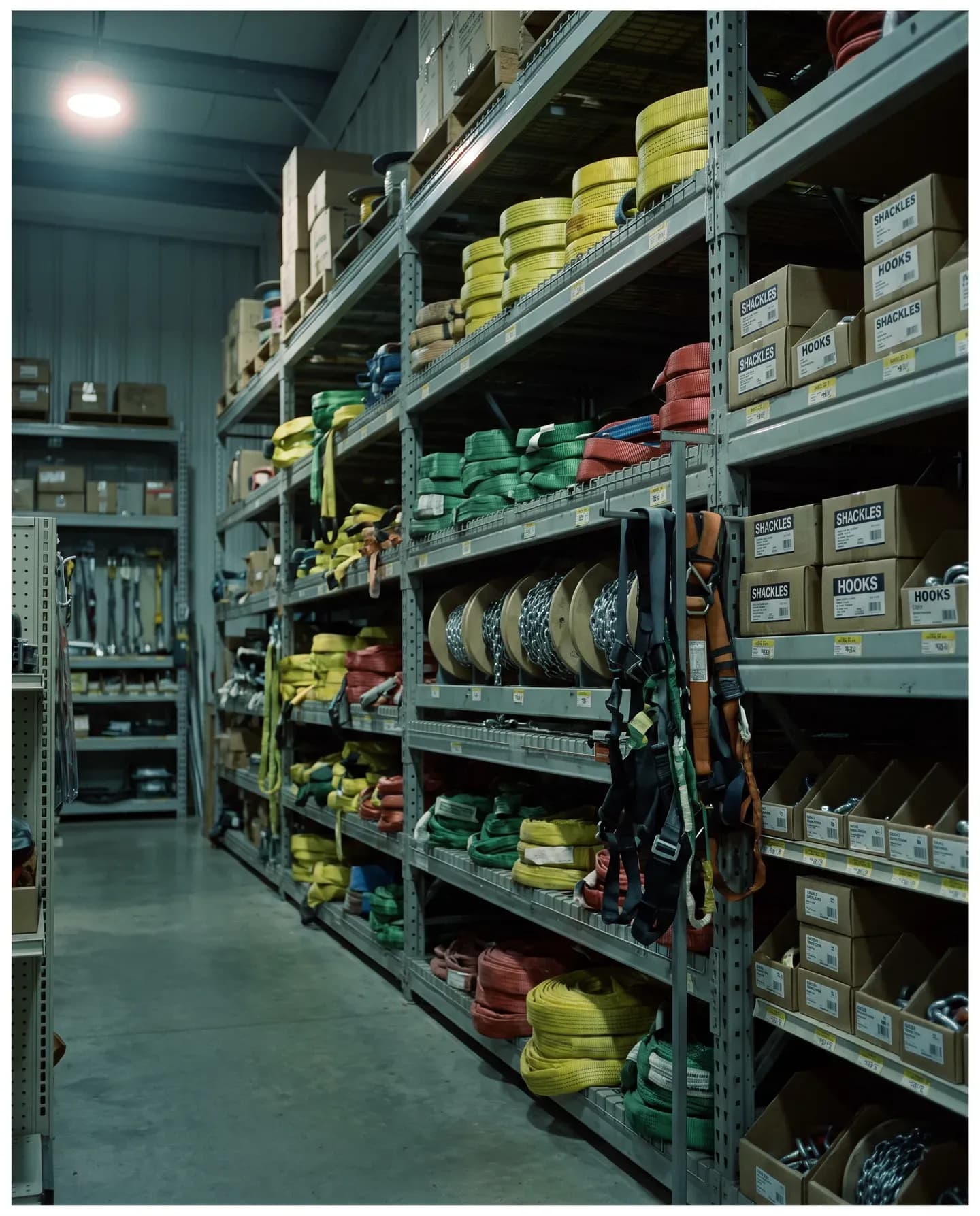
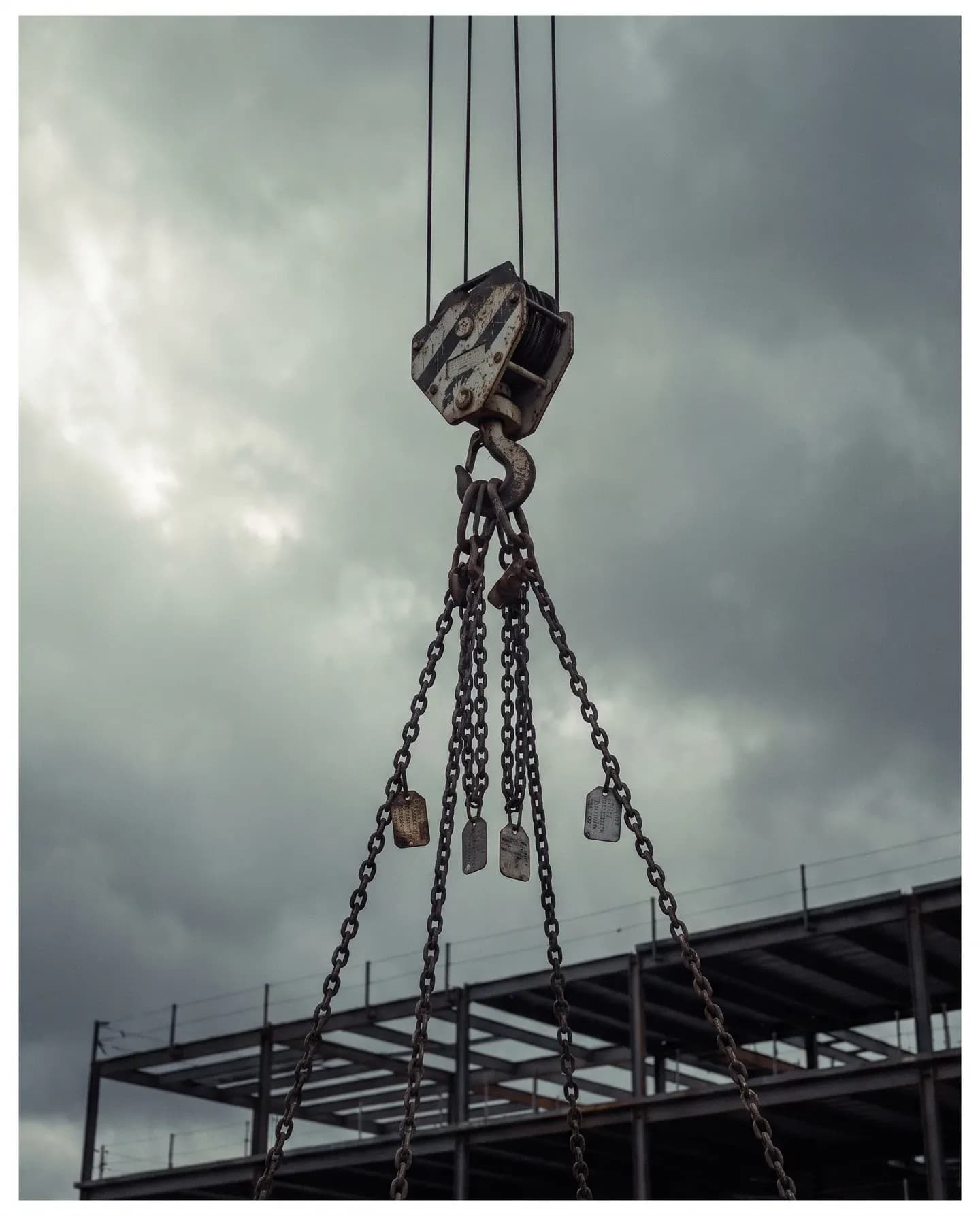
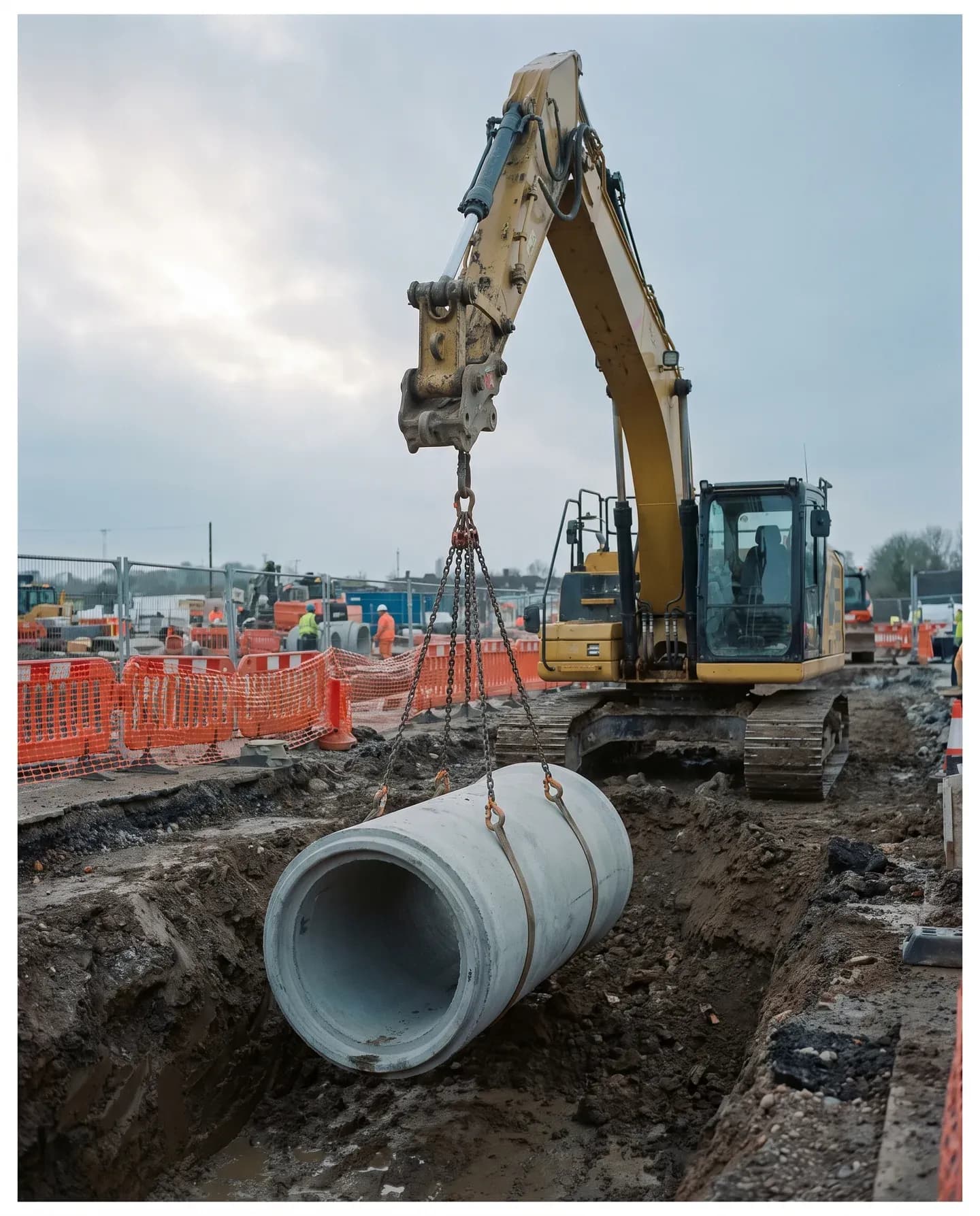
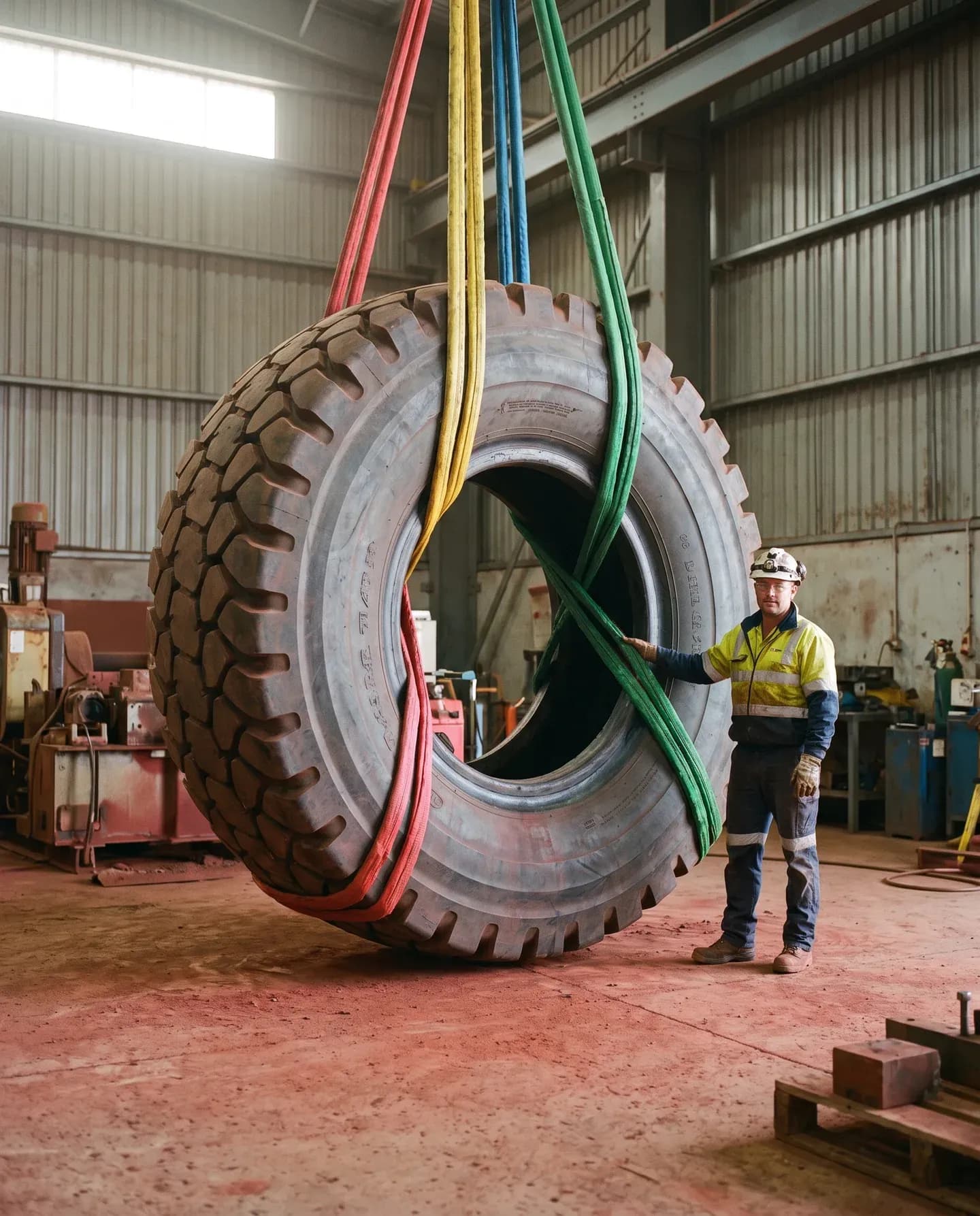
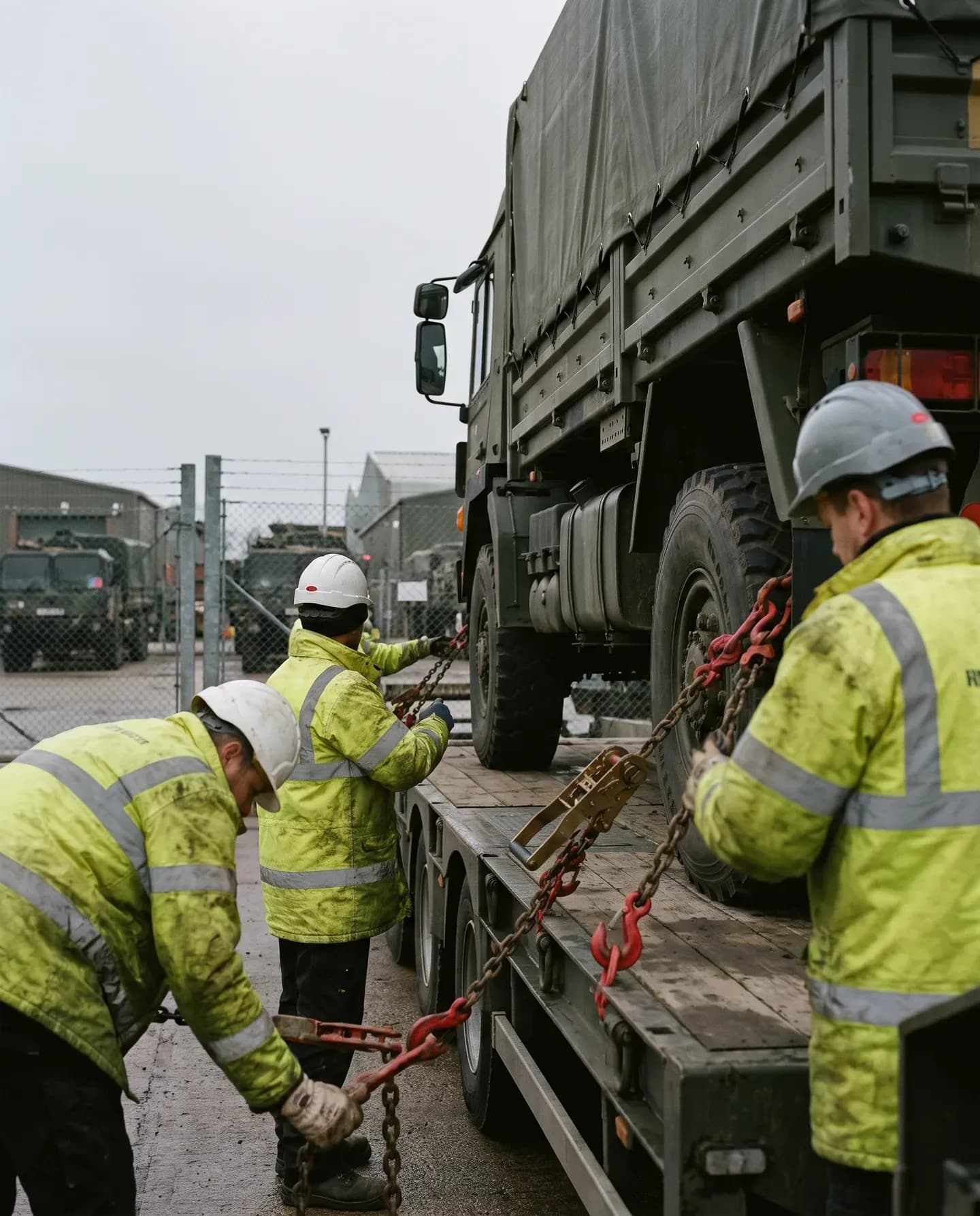
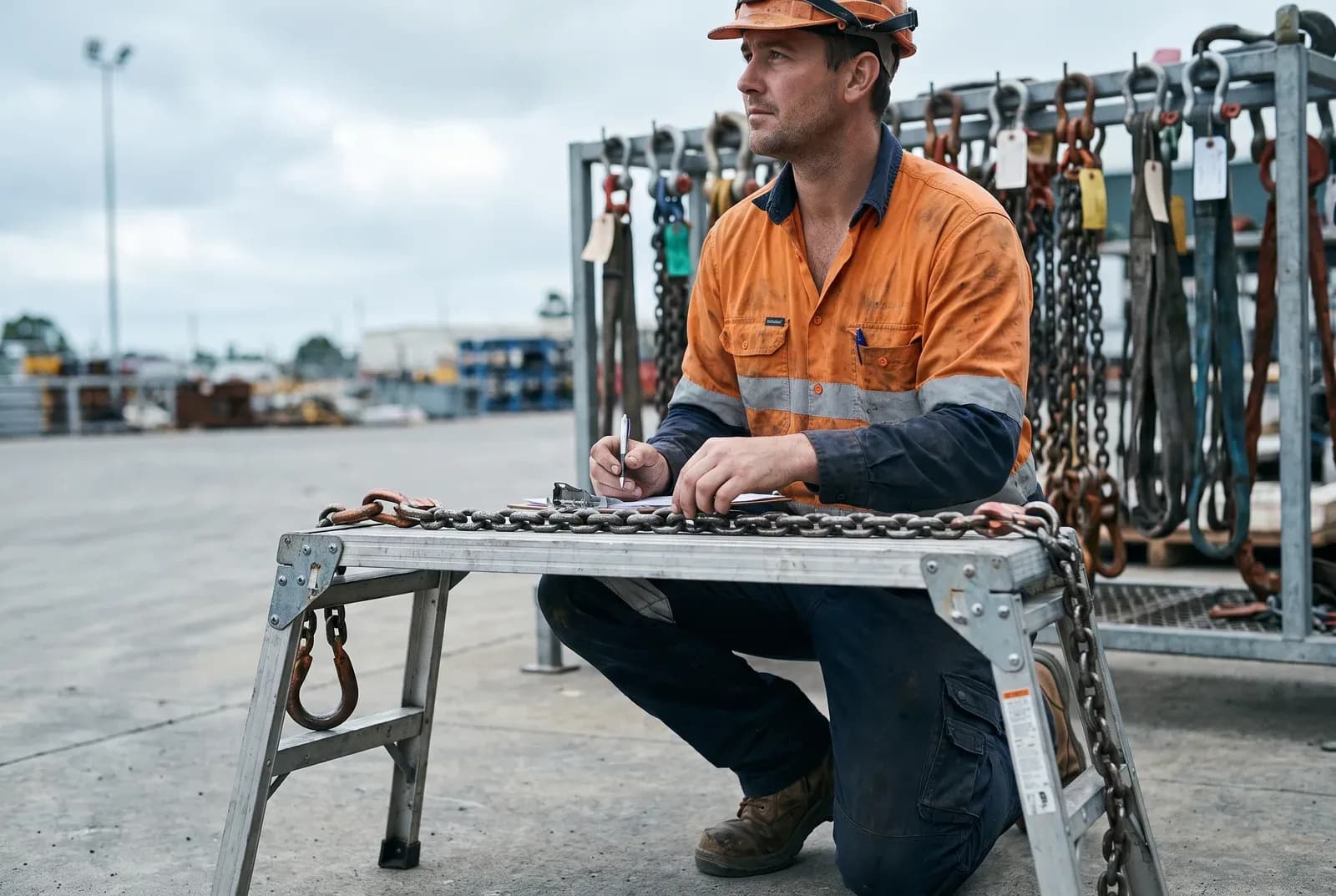
We stock an extensive range of lifting, confined space & height safety equipment from leading brands. Whether you’re after a rated shackle, soft sling, lashing equipment, lanyards or specialised confined space rescue equipment we can help. We offer solutions for a range of industries including:
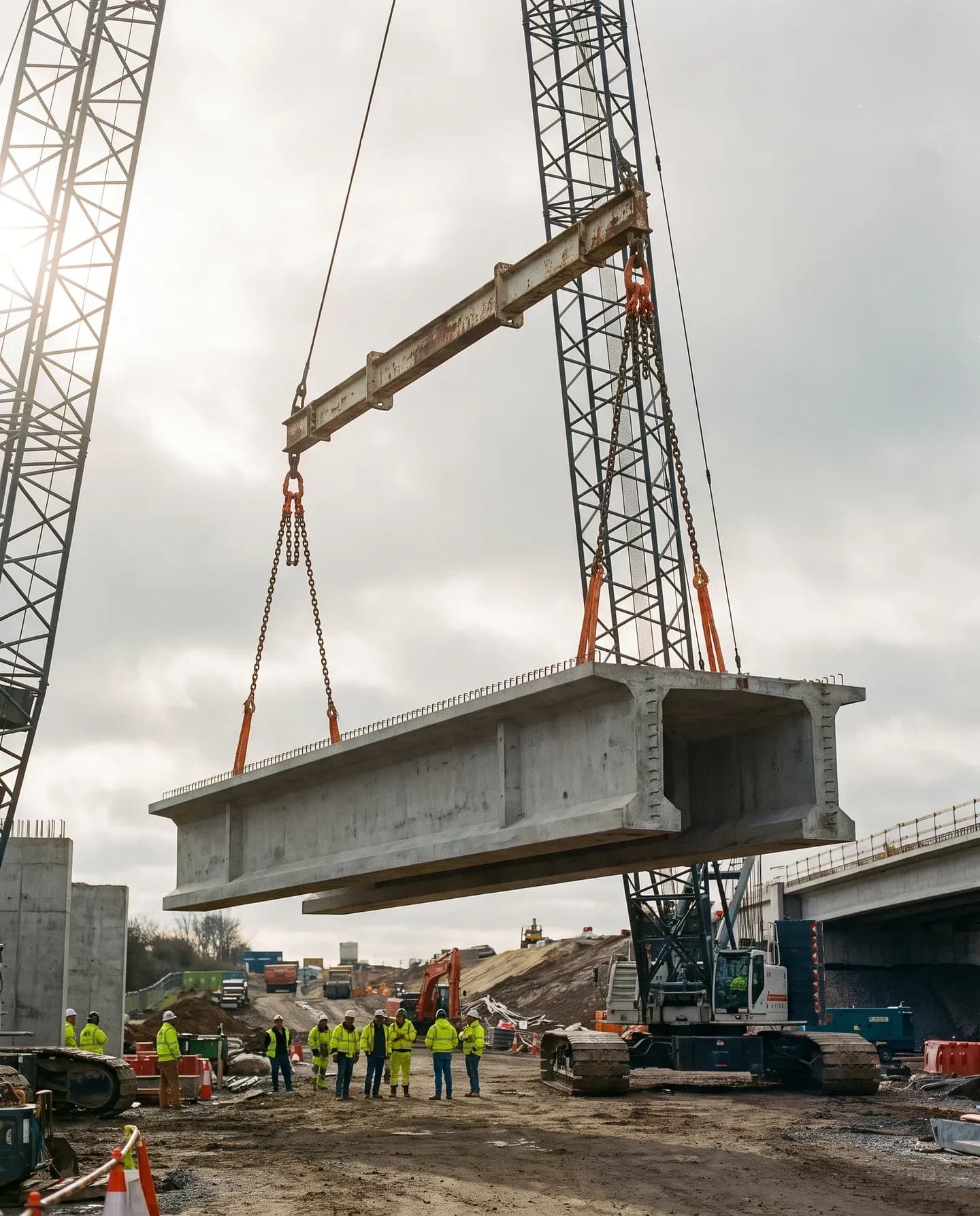
 

  • Civil Construction
  • Cranes
  • Building
  • Construction
  • Mining
  • Defence
  • Utilities

Choosing the Right Working at Heights Equipment

When you purchase your equipment from an accredited supplier like All About Lifting & Safety, you can be assured you are getting a quality product. It also helps to have an understanding on how to choose the right equipment for total height safety.

Here are some factors you should consider when selecting your working at heights equipment.

  • Quality: You need to ensure the equipment meets local safety standards and is certified for safe use.
  • Working conditions: You will want to consider the working environment as well as the typical weather conditions. If you’re working in an area with high winds this needs to be taken into account. Also what is the structural condition of any towers or buildings you will be working on and how much space do you have for access?
  • Distance and consequences of a fall: You should check the deployment length in relation to a fall height to ensure equipment will be effective in minimising injury. You also need to ensure that evacuation from a deployed fall arrest system is possible.

Frequently Asked Questions

  • What Does Working at Height Mean?

    Generally speaking a person is considered to be working at height, and requiring height safety gear if their work puts them at risk of a fall that could result in injury to themselves or another person at the workplace.

    Circumstances of working at height include situations that require a person to work:

    • On, or in the vicinity of, an elevated structure above ground/floor level
    • On, or in the vicinity of, ground level where they could fall into an opening in a floor or a hole in the ground.

    The specific requirements for height safety gear depend on your industry, workplace and legislation in your state, territory or country.

    All About Lifting & Safety offer a large range of working at height solutions, products and services.

  • How Can We Manage Working at Height Risk?

    It’s important to understand your workplace health and safety responsibilities and regulations for the location you operate in. This knowledge will inform how to identify your working at height risk and what height safety gear may be needed.

    Typically, under WHS Regulations, a duty holder is required to:

    • identify reasonably foreseeable hazards that could give rise to the risk
    • eliminate the risk where reasonably practicable
    • minimise the risk, where the risk can’t be eliminated, with control measures in accordance with the hierarchy of control
    • maintain the control measure and ensure it remains effective in minimising the risk.

    Depending on the scenario, height safety gear may be identified as an appropriate control measure.

    For more information on height safety gear, speak to the lifting and safety equipment experts All About Lifting & Safety.

  • How Can We Identify Fall Hazards?

    There are some key indicators that are associated with fall hazards, and will lead to the need for height safety gear.

    To identify fall hazards in the workplace you will need to focus on all locations and tasks that could cause injury due to a fall.

    The locations may include areas where people work, but also areas used to access parts of the workplace.

    You should also focus on any structure or equipment that is being constructed or installed, demolished or dismantled, inspected, tested, repaired or cleaned.

    Other locations to pay particular attention to include fragile surfaces, such as brittle, damaged, worn or lightweight roof sheeting and skylights.

    There may also be locations at your workplace where there is a potential for a ground or floor to give way, or there is already an open pit, hole or shaft.

    Additionally, inspect elevated work levels or anywhere where a person is required to be near an unprotected open edge.

    It’s recommended that you obtain formal information and advice about fall hazards and risks relevant to your work practises and location. This is often available from regulators, industry associations, unions, and safety experts such as All About Lifting & Safety.

  • What Kind of Height Safety Gear Do I Need?

    After identifying the specific fall hazards at your workplace you may identify the need for height safety gear to minimise risk and injury.

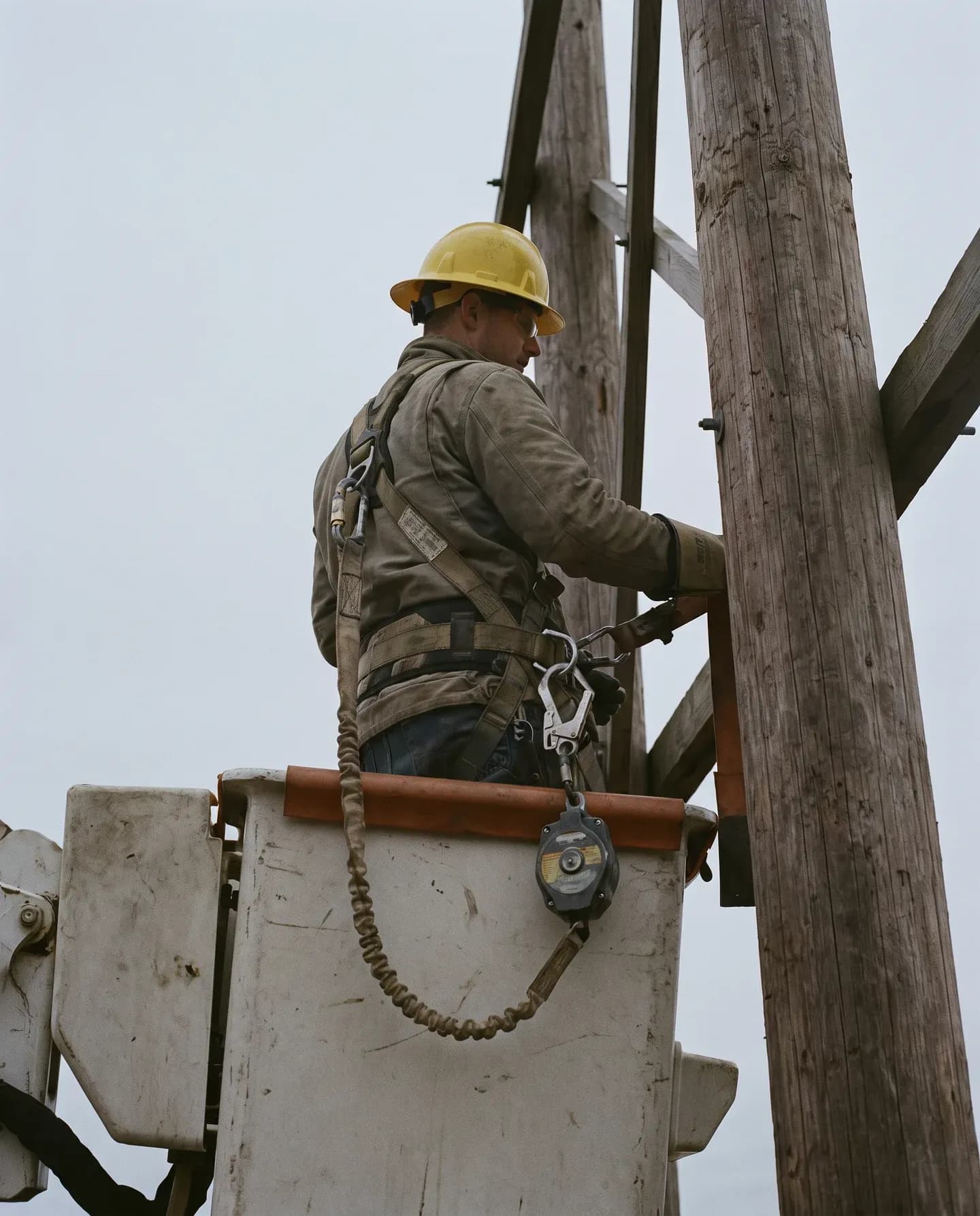
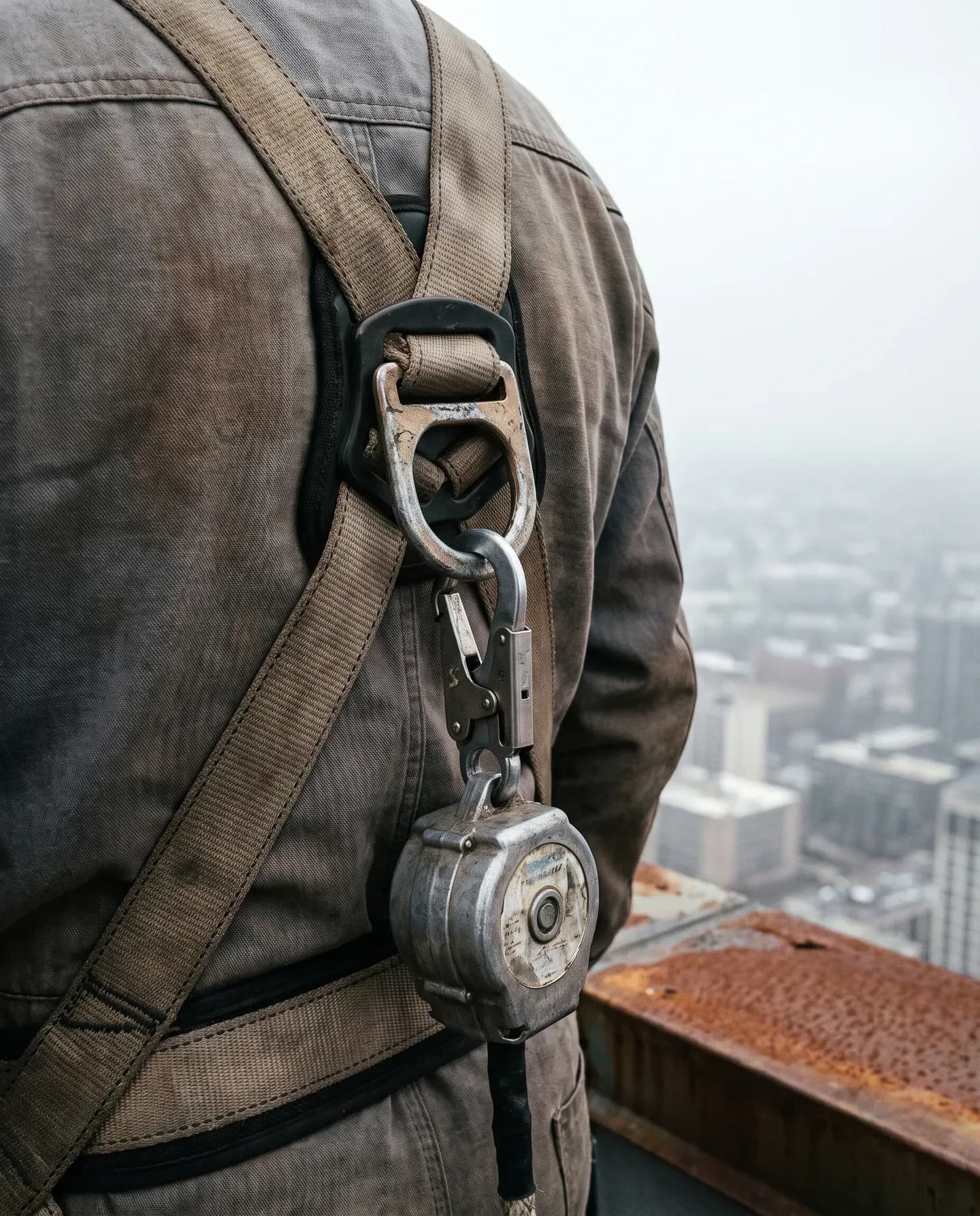
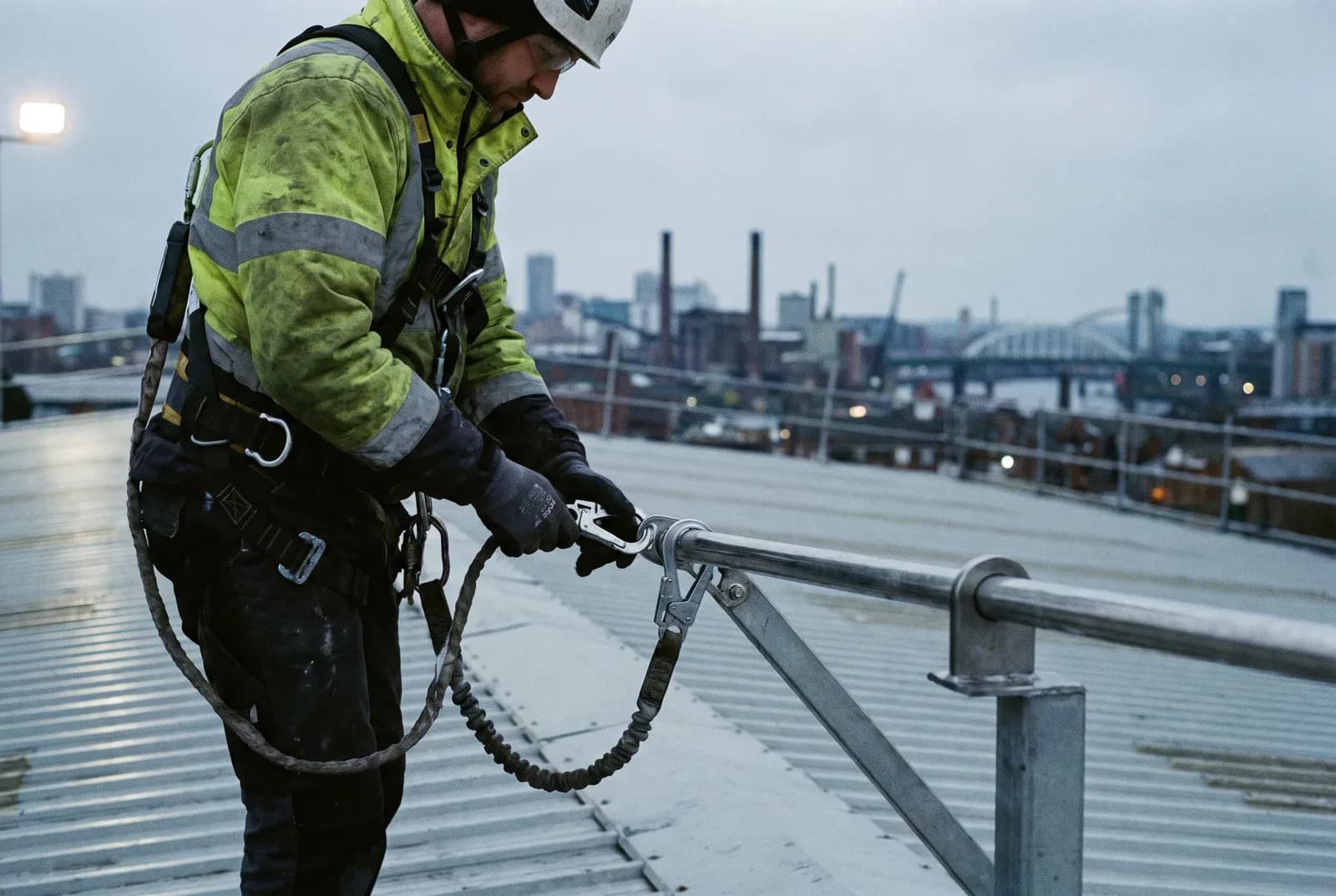
    The specific gear you need will depend on your business, industry and location, but the most common height safety gear is a safety harness and fall arrest system.

    All About Lifting & Safety stocks a full range of lifting and safety products and can advise on the best equipment for your needs.

  • What Is A Fall Arrest System?

    A fall-arrest system is what equipment is put in place to safely stop a worker falling an uncontrolled distance. It is designed to reduce the impact of the fall, where other controls can’t be put in place to eliminate the fall risk.

    The height safety gear used in a fall arrest system must be high quality and meet relevant safety standards.

    It is often comprised of equipment such as, but not limited to:

    • Anchorages
    • Lifelines
    • Safety harness
    • Lanyard of fixed length
    • Rope grabs
    • Wire grabs
    • Snap hooks.

    The fall arrest system needs to be:

    • the right equipment for the specific circumstances and location.
    • properly installed, used and maintained.
    • In safe working condition.
    • capable of managing the weight and the force applied as a result of a person’s fall.
    • able to ensure the person travels the shortest possible distance before having the fall stopped.

Stay Safe with the Experts in Lifting & Safety

Get in touch today for certified equipment, inspections, and on-site testing across Queensland, New South Wales, and beyond.

Connect

Gold Coast
12/15 Industrial Ave, Molendinar
(07) 5597 2419
Brisbane
1/19 Belconnen Crescent, Brendale
(07) 3889 7774
Sunshine Coast
20/3 Page St, Kunda Park
(07) 5406 0804

© 2025 All About Lifting & Safety | All Rights Reserved | Developed byweb design brisbane

0
Your Cart

No products in the cart.